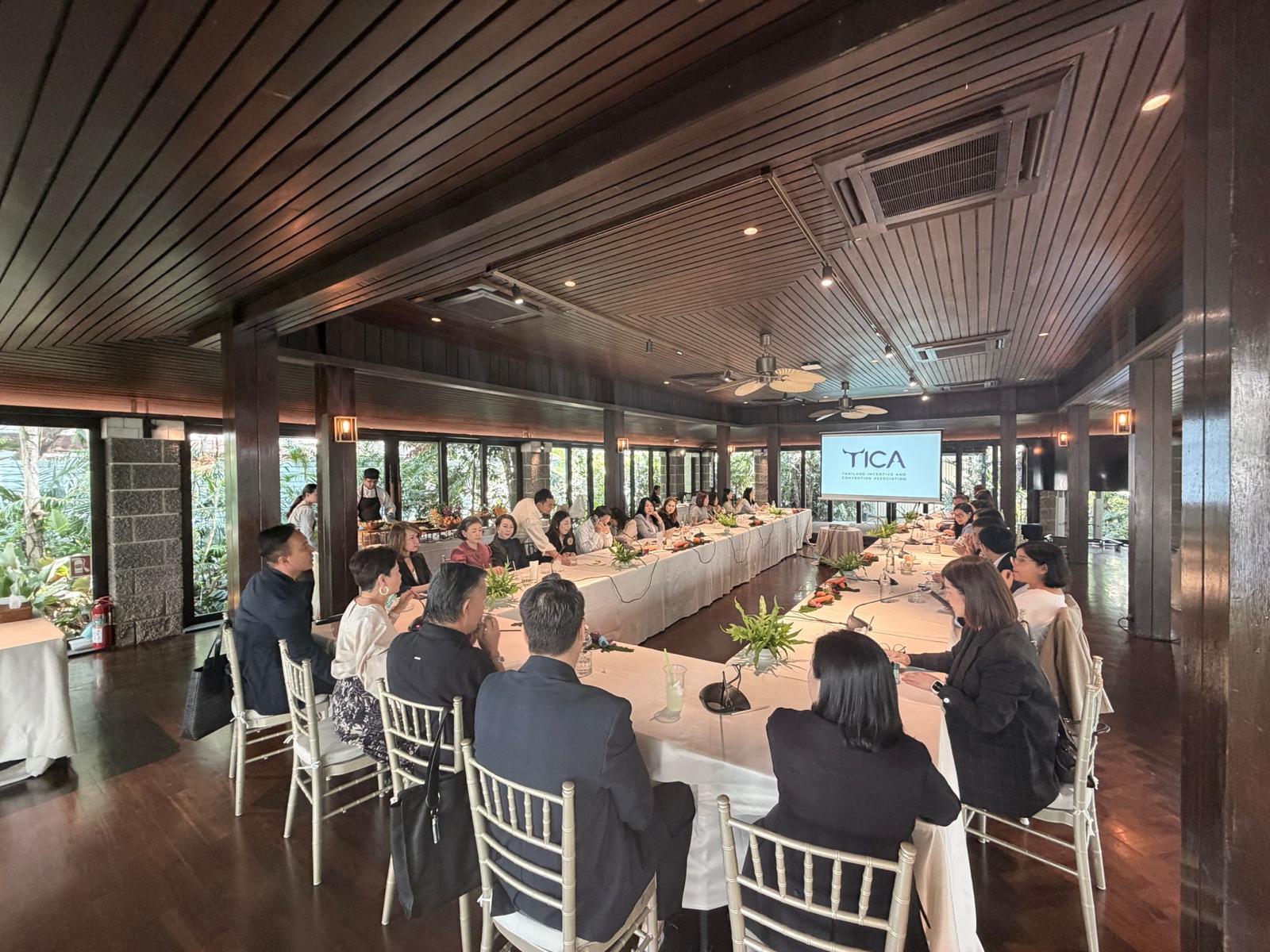
TICA Hosted Focus Group Discussion on Geopolitical Uncertainty
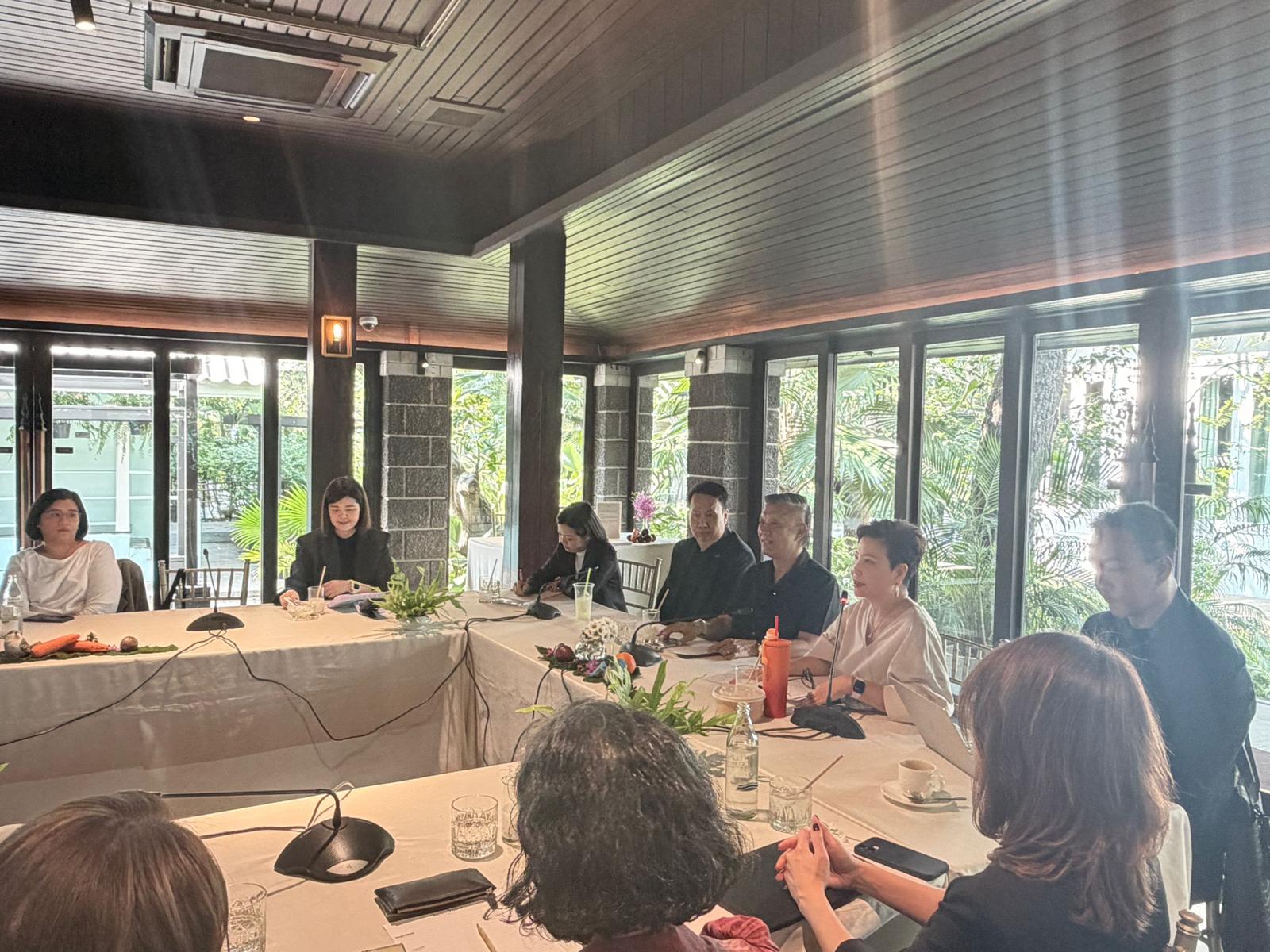
The Thailand MICE industry is demonstrating resilience, adaptability, and strategic foresight as global geopolitical tensions continue to impact international travel, aviation, tourism flows, and business confidence worldwide.
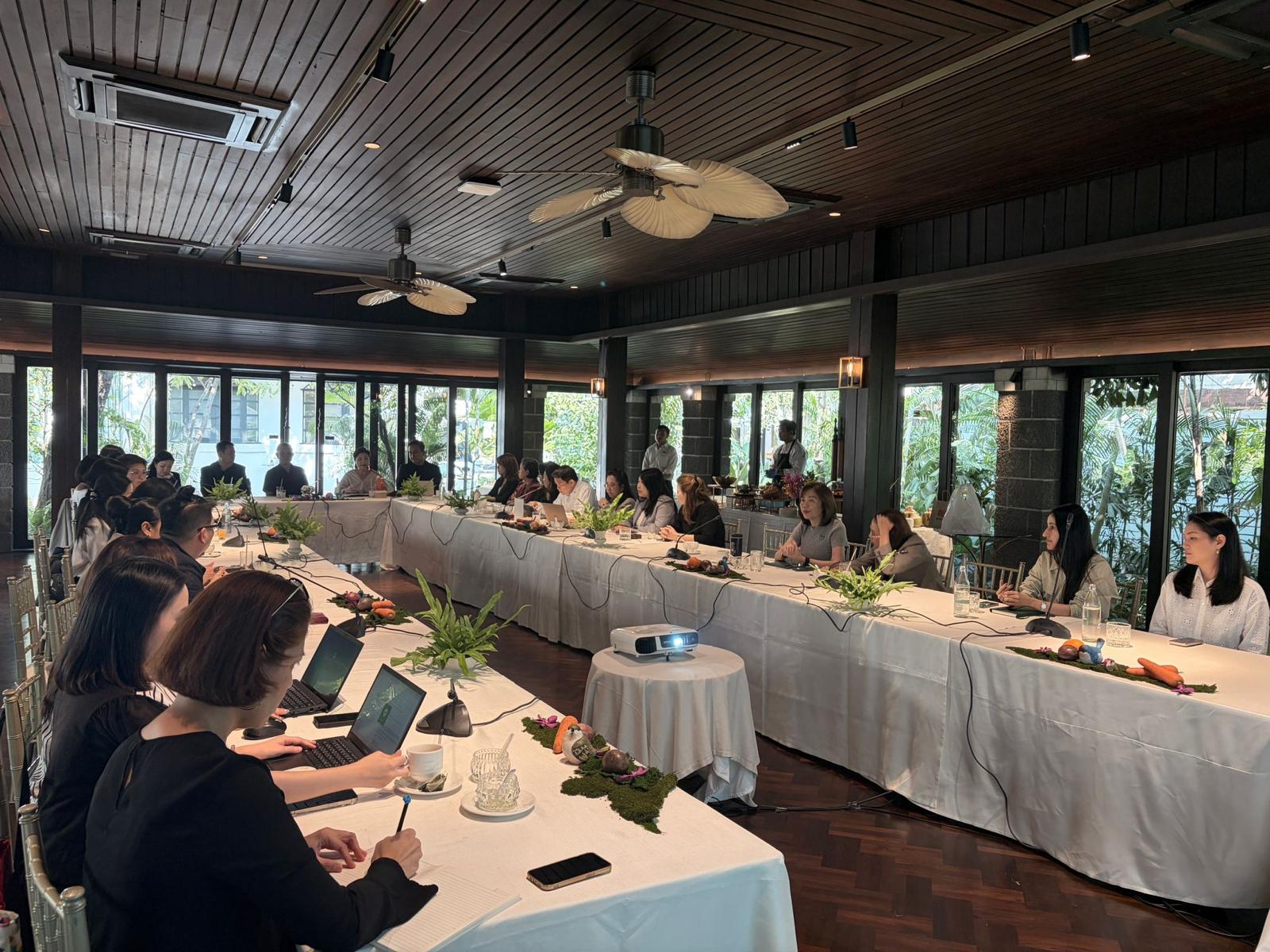
To assess the evolving situation and formulate collaborative responses, the Thailand Incentive and Convention Association (TICA) recently convened a Focus Group Discussion bringing together representatives from both the public and private sectors, including TICA Executive Committee members, industry operators, and representatives from the Thailand Convention and Exhibition Bureau (TCEB). The discussion focused on the implications of geopolitical instability — particularly tensions in the Middle East — and their impact on Thailand's MICE and tourism sectors.
The meeting highlighted growing concerns surrounding rising fuel prices, disruptions to airline routes, supply chain pressures, and the broader uncertainty affecting long-haul travel markets. As of 15 March 2026, approximately 37,000 flights to Thailand had reportedly been cancelled, with nearly 30 per cent involving carriers operating from the Middle East. Airlines including Emirates, Qatar Airways, Etihad Airways, Gulf Air, and Air Arabia have been directly affected, significantly impacting long-haul passenger traffic from Europe into Asia, including Thailand.
Participants noted that higher fuel costs and rerouted flight paths to avoid conflict zones are contributing to rising airfares and longer travel times. These developments are expected to influence both leisure and business travel decisions over the coming months.
According to assessments shared during the meeting, the Tourism Authority of Thailand (TAT) has prepared three potential scenarios to evaluate the possible economic impact on the tourism sector.
Under the "Best Case" scenario, where disruptions remain limited to approximately three weeks, Thailand's tourism industry could still face revenue losses estimated at THB 13.1 billion. In the "Base Case" scenario, involving prolonged airspace closures or regional conflict lasting four to seven weeks, projected losses could increase to THB 21.5 billion. Meanwhile, the "Worst Case" scenario — involving disruptions extending beyond eight weeks — could see tourism revenue losses reaching approximately THB 40 billion, driven largely by rising aviation fuel costs and significant airfare increases across both short-haul and long-haul markets.
Industry stakeholders also expressed concerns that broader operational costs, including energy, transportation, labour, and logistics expenses, could rise by as much as 35–40 per cent should instability persist.
Despite these challenges, the focus group revealed encouraging signs of resilience across Thailand's regional MICE markets.
In Northern Thailand, Chiang Mai has experienced some decline in arrivals from China and Israel, although Asia-Pacific markets remain relatively stable. Long-haul cancellations have occurred, but not at severe levels, and bookings from China continue to flow into the market.
Bangkok and Central Thailand have shown comparatively strong adaptability. Four-star hotels appear less affected than luxury properties, while cancellations in some sectors have been offset by rapid replacement bookings and domestic demand. Several international events and MICE activities continue to proceed, although some European delegates have had to reroute flights to avoid Middle Eastern airspace. Certain international organisers have also shifted overseas programmes into domestic destinations within Thailand, helping sustain business momentum.
The Southern region, including Phuket, Samui, and Khao Lak, has been more directly affected by cancellations from the Israeli market. However, confirmed group bookings for late 2026 and early 2027 remain encouraging, suggesting continued confidence in Thailand as a destination over the longer term.
Eastern destinations such as Pattaya and Rayong continue to benefit from strong Asian market demand, particularly from China, India, and Japan. Meanwhile, domestic corporate meetings, government events, and leisure travel remain relatively stable in destinations such as Khao Yai in the Northeast.
Across the industry, operators reported that while bookings for the second and early third quarters of 2026 remain intact, forward bookings are materialising more slowly, with tentative enquiries taking longer to convert into confirmed business. Industry players also observed that group sizes are becoming smaller due to rising travel costs and limited flight availability.
At the same time, Thailand is also benefiting from shifting travel patterns. Some travellers who originally planned to visit Europe are now choosing Thailand and other Asian destinations instead, creating opportunities for luxury hotels and premium tourism experiences.
Throughout the discussion, participants emphasised the importance of maintaining pricing integrity while enhancing service quality and customer value. Industry leaders agreed that aggressive price-cutting strategies should be avoided in favour of long-term value creation and market confidence.
Several strategic priorities emerged from the discussion. These included diversifying into high-potential markets such as domestic travel, China, India, and broader Asian markets; reinforcing Thailand's positioning as a safe, premium, and reliable destination; and enhancing customer confidence through proactive communication and flexible service offerings.
The focus group also highlighted the growing importance of crisis preparedness and business adaptability. Participants recommended greater emphasis on crisis management training, flexible contract structures, and comprehensive insurance coverage to strengthen industry resilience against future uncertainties.
Recommendations directed towards the government and TCEB included stronger international public relations campaigns to reinforce confidence in Thailand's safety and stability, support measures for event relocations into Thailand, potential fuel and tax relief measures to reduce operational burdens, and closer collaboration between public and private sectors to coordinate industry responses more effectively.
Importantly, the discussion concluded with a broader recognition that geopolitical uncertainty is accelerating the need for long-term transformation within Thailand's MICE industry. Stakeholders identified several critical areas requiring continued development, including infrastructure enhancement, technology adoption, workforce development, regulatory modernisation, safety standards, sustainability practices, and knowledge sharing.
The overall sentiment from the focus group remained cautiously optimistic. While the geopolitical situation presents undeniable challenges, Thailand's MICE industry continues to demonstrate adaptability, strong regional demand fundamentals, and a proactive commitment to strategic planning.
As global conditions continue to evolve, industry collaboration, agility, and sustained confidence-building efforts will be essential in ensuring that Thailand remains one of Asia's leading MICE destinations.