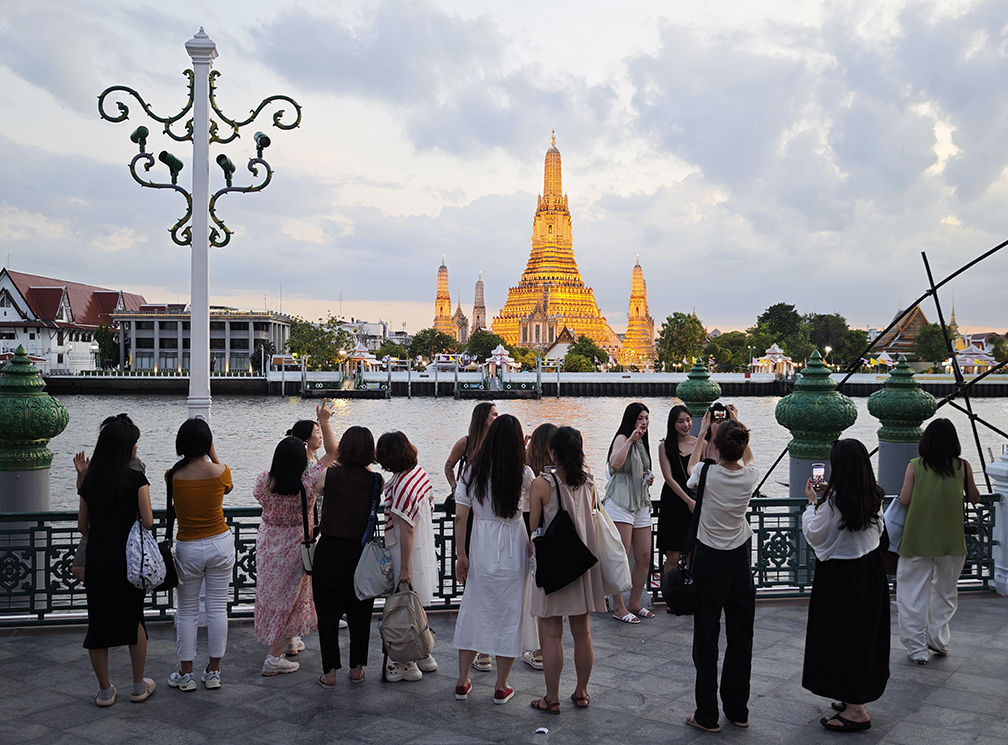
Thailand's tourism sector is entering a new phase of strategic development, with the Ministry of Tourism and Sports setting an ambitious target to restore and surpass 3 trillion baht in tourism revenue within the government's four-year term. Newly appointed Minister Surasak Phancharoenworakul has outlined a clear shift in direction, prioritising high-value tourism over sheer visitor numbers.
Rather than focusing solely on increasing arrivals, the ministry aims to attract higher-spending travellers and those less affected by global economic pressures. This approach is intended to offset declines in volume while maximising overall economic impact. While Thailand recorded 40 million international arrivals and 3 trillion baht in revenue in 2019, recent figures highlight the challenges ahead. In 2025, the country welcomed 33 million foreign visitors, generating a combined tourism revenue of 2.7 trillion baht from both international and domestic markets.
Acknowledging ongoing global economic uncertainty, the minister noted that returning to pre-pandemic levels within two years would be difficult. However, achieving the target within four years is considered realistic with the right strategies in place. This focus on value-driven travel also aligns with Thailand's continued efforts to strengthen its position in the Business Events (MICE) sector, which contributes significantly to high-yield visitor spending.
A key policy under consideration is the introduction of a 300-baht tourism fee for international visitors. The proposed levy, already adopted in various global destinations, will contribute to a tourism development fund and provide insurance coverage for travellers, reinforcing safety and infrastructure improvements.
In the short term, the ministry is preparing a series of stimulus measures to support the sector over the next three to six months, particularly in response to rising energy costs and geopolitical tensions affecting travel demand. Initiatives are expected to include the revival of co-payment schemes to boost domestic spending, alongside tax incentives and campaigns encouraging the use of public transport.
Looking ahead, broader structural changes are also planned, including closer integration between tourism and cultural development, as well as continued emphasis on sustainability, community-based tourism, and year-round destination marketing. Strengthening traveller confidence and ensuring safety remain central to Thailand's long-term tourism strategy.
Source : Bangkok Post